How to Make Small Spaces Look Expensive
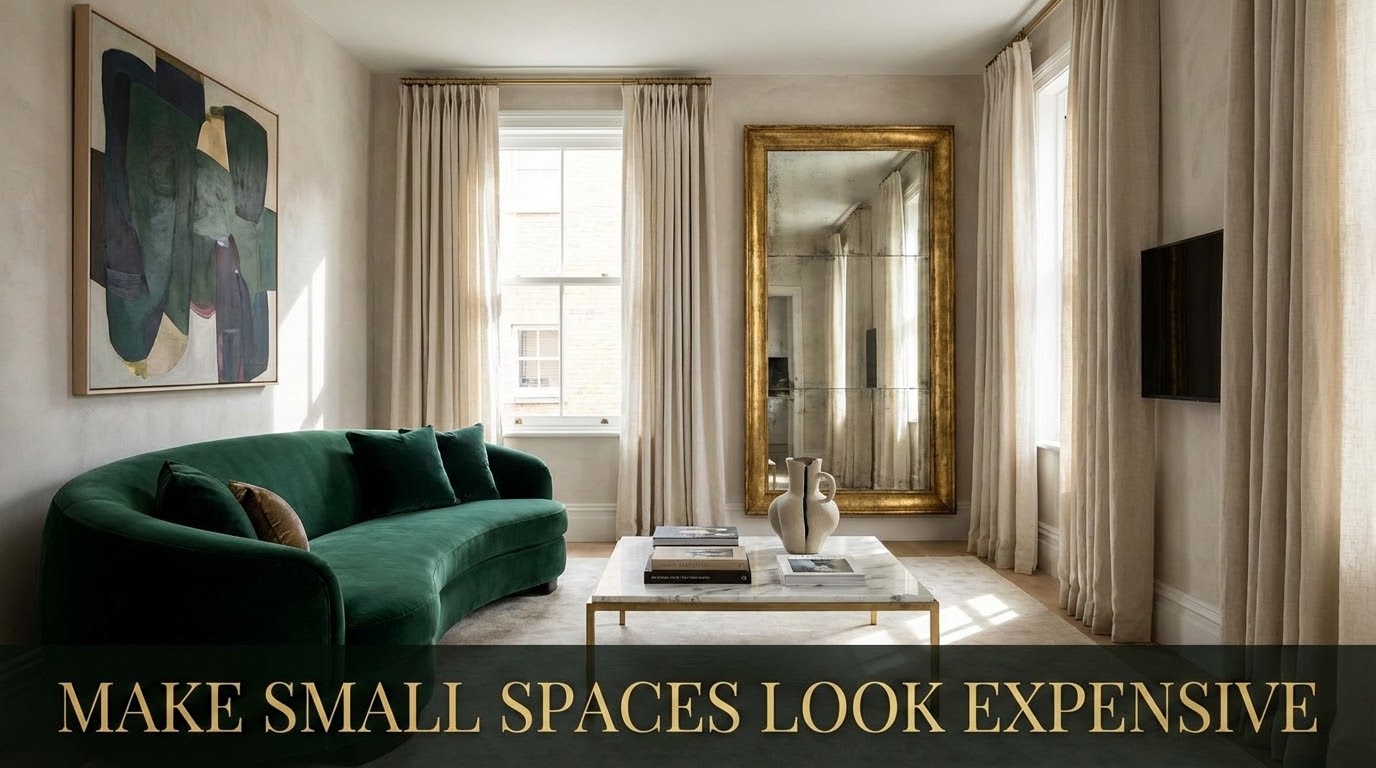
Square footage doesn’t determine sophistication. Some of the most impressive interiors we’ve seen are compact apartments and small homes that punch far above their weight. The secret? Design intelligence — knowing exactly where to invest and what to leave out.
1. Scale Your Furniture Right
The most common mistake in small spaces is furniture that’s either too large (making the room feel cramped) or too small (making it feel like a dorm). Choose pieces with proportions that fit your room. A slim-profile sofa with clean lines looks far more expensive than an oversized sectional crammed against the walls.
2. Go Tall, Not Wide
Draw the eye upward. Floor-to-ceiling curtains, tall bookshelves, and vertical art create the illusion of height and grandeur. This trick is used in boutique hotels worldwide — rooms feel twice their size when the vertical dimension is maximized.
3. Mirror Strategically
A well-placed mirror doesn’t just check outfits — it doubles the visual depth of a room. Position a large mirror opposite a window to reflect natural light and landscape. Opt for a frameless or thin brass-framed mirror for a contemporary luxury feel.
4. Invest in Lighting Layers
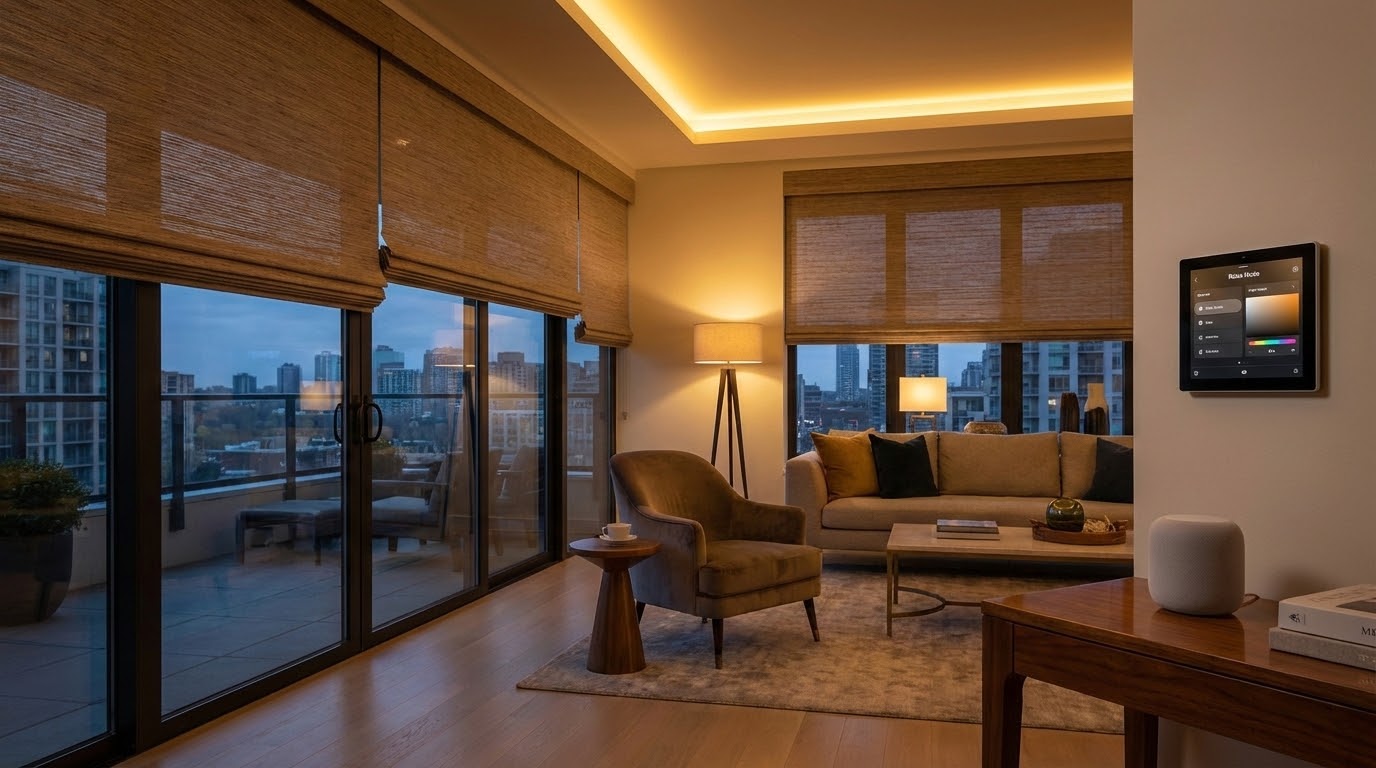
A single overhead light flattens any room. Layer ambient, task, and accent lighting to create depth and warmth. A sculptural floor lamp in the corner, under-cabinet LEDs in the kitchen, and a dimmer on the main light transform the space.
👉 See our Best Smart Lighting Guide for options that elevate small spaces.
5. Choose a Restrained Color Palette
Limit your palette to 3–4 tones and use them consistently. Warm whites, soft greige, and one accent tone (deep navy, forest green, or rich terracotta) create cohesion that reads as intentional and expensive.
6. Edit Ruthlessly
In a small space, every item is on display. Remove anything that doesn’t serve a function or bring genuine aesthetic value. The empty space you create is as valuable as the objects you keep.
7. Upgrade Hardware and Fixtures
Swap builder-grade cabinet pulls for brushed brass or matte black hardware. Replace plastic light switch plates with metal ones. These tiny details cost under $100 total but make a room feel custom-designed.
8. One Statement Piece Per Room
Every room needs a hero — one piece that draws the eye and anchors the design. In a small bedroom, it might be a dramatic headboard. In the living room, an artisan coffee table. Let that piece shine by keeping the surroundings quiet.
The Bottom Line
Making small spaces look expensive isn’t about spending more — it’s about choosing smarter. Intentional design decisions, quality materials, and restraint always outperform excess, regardless of room size.
A small room well-designed is worth more than a mansion poorly decorated.